


ADVOCACY
Generations Apart – Housing Affordability Then and Now
As “boots on the ground”, few stakeholders have the daily proximity that realtors do to those most affected by the housing crisis. Their experience affords real time insight into the concerns of home buyers and sellers as they navigate the challenges of high rates and scarce supply. In the context of the working towards solutions, this sort of intimate intel can contribute to the thinking and dialogue that ultimately informs policy decisions.
2024 Spring
The BC Real Estate Association’s annual Government Liaison Days (GL-Days) is an opportunity for representatives of the real estate sector to meet with elected officials and share this unique perspective on market dynamics.
From March 10 to 12, dozens of members from real estate boards and associations representing all regions of the province convened in Victoria to meet with their respective MLAs to share perspectives, exchange ideas and provide critical information. In addition to discussions on riding-specific issues, the sector collectively urged Members to consider two fundamental proposals that could provide stronger engagement—and, hence, better outcomes—with respect to some decisions; and better insight into unintended consequences of others.

Housing Roundtable
The first proposal concerns the process by which policy decisions and legislation are brought forward. In the necessity to take urgent action to address the provincial housing situation, there is a risk of inadvertently excluding the voices of those for whom resulting decisions may have unfavourable impacts. Being more inclusive in the early stages of deliberations would go far to help mitigate these risks. To this end, the sector proposes a permanent Provincial Housing Roundtable brining together federal, provincial, municipal and indigenous authorities along with regional and other stakeholders such as market/non-market developers, builders, real estate professionals, community advocacy organizations, etc. to guide policy implementation and monitor the efficacy of new housing policies. The roundtable would emulate successful models already in place such as the Energy Step Code Council and the Development Finance Review Committee.

Pre-offer Period
The second proposal seeks to replace the current rescission period policy, commonly referred to as the “cooling-off” period, with a stronger protection in the form of a pre-offer period. The current policy allows purchasers three days following an accepted offer during which the buyer could rescind the agreement with no questions asked. This largely knee-jerk response to the market frenzy during the pandemic sought to have a cooling effect on overheated pricing while protecting consumers from making decisions based more on emotion than pragmatism. In the first instance it had no discernible effect, and in the second, the mechanism was rarely if ever invoked, according to BCREA research. Further, it resulted in unintended consequences for buyers and sellers alike by tying up properties unnecessarily to put pressure on sellers, while buyers were left with a false sense of security. This is what happens when consultation and dialogue are missing from the process.


The proposed longer pre-offer period of five days would avoid these issues. The period would commence on the date of listing, during which the vendor can neither view nor accept offers on the property. Sellers would be obliged to allow access to the property for viewings and inspections. This provides a better opportunity for prospective buyers to conduct and complete due diligence before presenting an offer to purchase a property and dramatically reduce the potential for regret. It also reduces unintended negative consequences to the seller, by avoiding a cascading collapse of dependent transactions and reducing the potential for unscrupulous purchasers to tie up multiple properties to pressure sellers into renegotiating.


A well-rounded event
Attendees also heard a series of keynotes from provincial party leaders. Official Opposition and BC United leader Kevin Falcon didn’t mince words about the NDP’s efforts to date: “Of the 114,000 housing units that the NDP promised to build over an eight-year period, only 16,000 have been built, which reinforces that we need to hold politicians accountable.”
Among Premier Eby’s messages was the idea that the private market should not be seen as the primary solutions-provider. “One perspective within government is that we should let markets decide [housing supply]. I am not a fan of this because based on the evidence we are seeing, leaving it to the markets to decide did not work with the previous government and is not working now.”

Additional sessions included a presentation by BCREA Chief Economist, Brendon Ogmundson whose research indicated that the elevated levels of inflation are almost over, confirming the prevailing sentiment that interest rates will likely start to come down this summer. Rounding out the commentary was a presentation with pollster Mario Conseco whose survey showed that while there is still much work to do, public trust in and experience with the BC real estate community is positive.

Shafiq Jamal is the Stakeholder & Government Affairs Facilitator, Fraser Valley Real Estate Board
Issue 2 | 2024 Spring

Planes, Trains and Automobiles
BC’s housing strategy depends on infrastructure as much as inventory. Bringing all levels of government together to build it may be Minister Rob Fleming’s biggest challenge.
more >
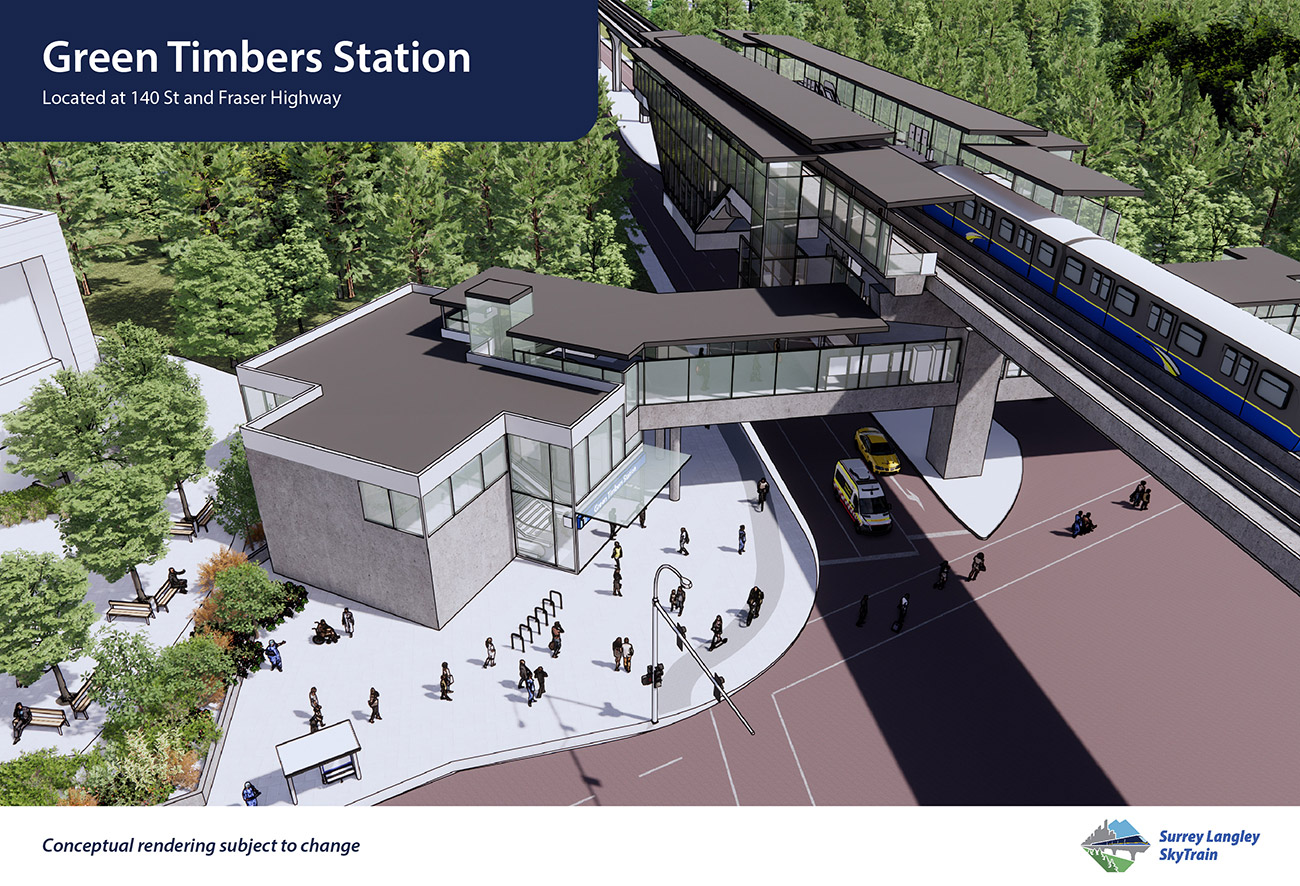
Transit-Oriented Developments
For the Fraser Valley and other regions, getting there may not necessarily be half the fun.
more >

The Case for Regional Rail
A regional rail network could cut travel and commute times by up to 50% or more–but is it worth the price tag?
more >
ADVOCACY
Political Liaisons
FVREB meets with MLAs in Victoria as part of BCREA’s Government Liaison Days.
more >
From the CEO
Baldev Gill
Building Momentum Together
The clock is now ticking for BC’s housing strategy.
more >
Insight
Brendon Ogmundson
Generations Apart – Housing Affordability Then and Now
Brendon Ogmundson on the new generation gap.
more >
TRENDING
The High Cost of Being World-Class
When it comes to Top-10 lists, be careful what you wish for.
more >
Last Word
Patrick Condon
The housing affordability crisis is really a land affordability problem
Why didn’t adding so much new housing supply lower prices?
more >