

INSIGHT
Generations Apart – Housing Affordability Then and Now
2024 Spring
Affordability has long been a challenge in the BC housing market, but the super-charged market that prevailed during the pandemic and the subsequent rise in interest rates to tame inflation have only amplified those challenges. Consequently, affordability for younger first-time homebuyers has never been so difficult.
Now, that claim might prompt some inter-generational debate from Baby Boomers who had to deal with record-high mortgage rates. Indeed, the scar tissue from 20% mortgage rates is very deep – just try lamenting the current level of mortgage rates to anyone in their 60s. Within a microsecond you will be told of an 18% mortgage rate on their first home. And they are right! If you were between the ages of 25-40 in the 1980s, the average prevailing mortgage rate was a staggering 12.3% and peaked at over 21%!
MORTGAGE RATES BY GENERATION
(Shaded area represents the midpoint of when an individual of that generation is aged 25-40)

However, as bad as affordability was in the early 1980s, entering the market now as a young person is undeniably more difficult. While mortgage rates have not soared back to 20%, Millennials are the first homebuyers in close to 40 years to face a sustained rise in the cost of borrowing and are the first to be subjected to much stricter qualifying criteria in the form of the mortgage stress test. An average mortgage payment (assuming a 20% down payment and a 25-year amortization) in 2019 in the Fraser Valley was about $2,700 per month. Just 4 years later, after a jump in home prices and the highest mortgage rates in over 15 years, that calculation results in an average monthly mortgage payment that is 80% higher at more than $4,900 per month. For a dual-income household of 25-34 year-olds, that means an average mortgage payment has spiked to nearly 70% of a young couple’s income, exceeding the previous nadir for affordability reached in 1981.
WORST AFFORDABILITY IN 40 YEARS FOR YOUNG PEOPLE
Average mortgage payment, as a proportion of dual income 25-34 year old household, British Columbia

Thankfully, mortgage rates have fallen significantly to start the year as markets anticipate forthcoming Bank of Canada rate cuts. However, the benchmark 5-year fixed mortgage rate is likely to settle in a range of 4.5-5% over the next 5 years, much higher than the average 3% rate that has prevailed for the past decade. While government policy is currently very aggressively targeted at bringing new supply to the market, those measures will take some time to bend affordability back to pre-pandemic levels.
“The benchmark five-year fixed mortgage rate is likely to settle in a range of 4.5% to 5% over the next five years.”
For real estate agents engaging with younger clients, affordability over the next 5 years is unlikely to meaningfully improve. However, given the massive size of the Millennial generation, demand for home ownership is not likely to fade. Consequently, helping the current generation of homebuyers succeed in making their dream of home ownership come true will require a greater weight on ensuring that buyers are pre-qualified and can pass the mortgage stress test, a perhaps narrower scope of homes and areas that young homebuyers can afford and likely far more reliance on intergenerational wealth transfers to meet down payment requirements.

Brendon Ogmundson is Chief Economist at the British Columbia Real Estate Association.
Issue 2 | 2024 Spring

Planes, Trains and Automobiles
BC’s housing strategy depends on infrastructure as much as inventory. Bringing all levels of government together to build it may be Minister Rob Fleming’s biggest challenge.
more >
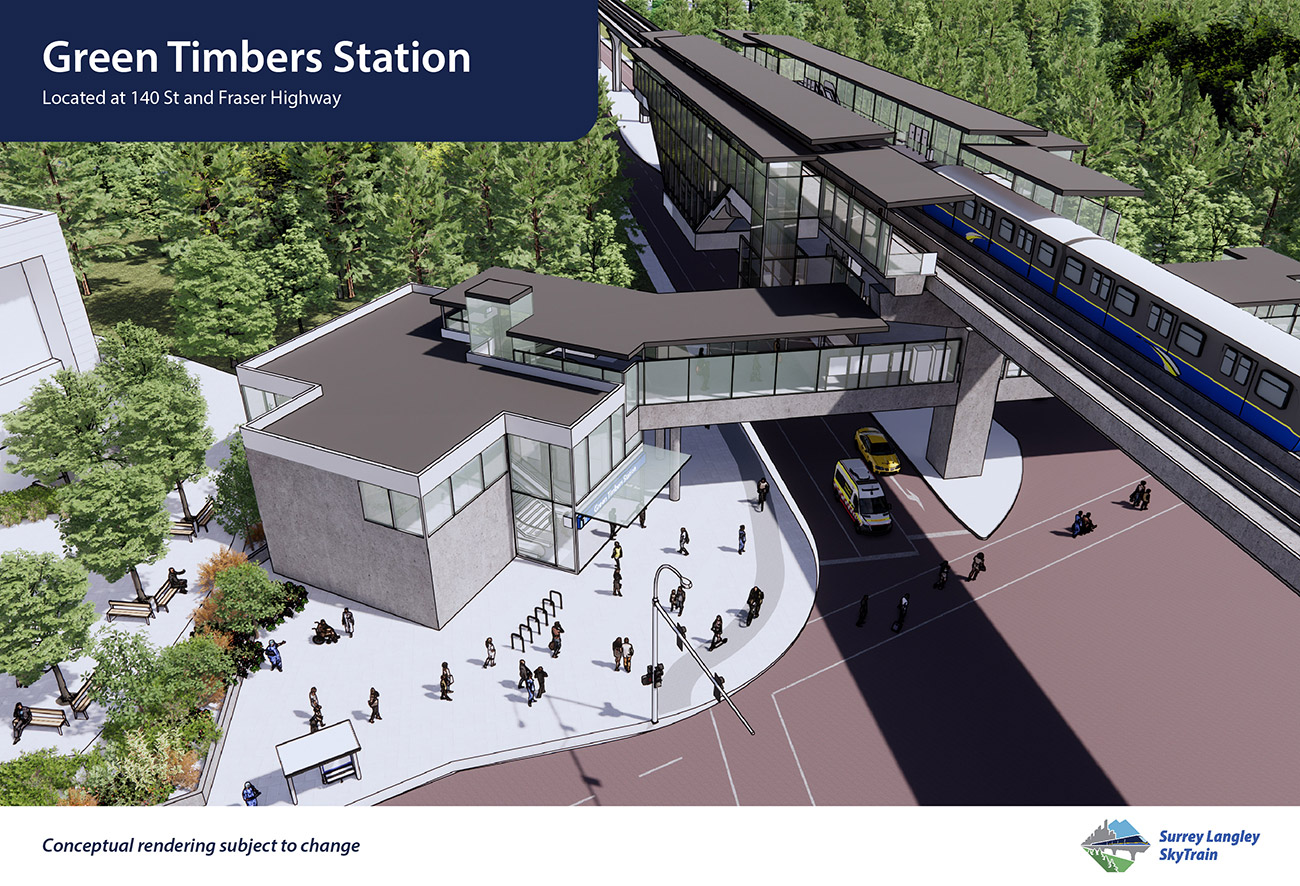
Transit-Oriented Developments
For the Fraser Valley and other regions, getting there may not necessarily be half the fun.
more >

The Case for Regional Rail
A regional rail network could cut travel and commute times by up to 50% or more–but is it worth the price tag?
more >
ADVOCACY
Political Liaisons
FVREB meets with MLAs in Victoria as part of BCREA’s Government Liaison Days.
more >
From the CEO
Baldev Gill
Building Momentum Together
The clock is now ticking for BC’s housing strategy.
more >
Insight
Brendon Ogmundson
Generations Apart – Housing Affordability Then and Now
Brendon Ogmundson on the new generation gap.
more >
TRENDING
The High Cost of Being World-Class
When it comes to Top-10 lists, be careful what you wish for.
more >
Last Word
Patrick Condon
The housing affordability crisis is really a land affordability problem
Why didn’t adding so much new housing supply lower prices?
more >